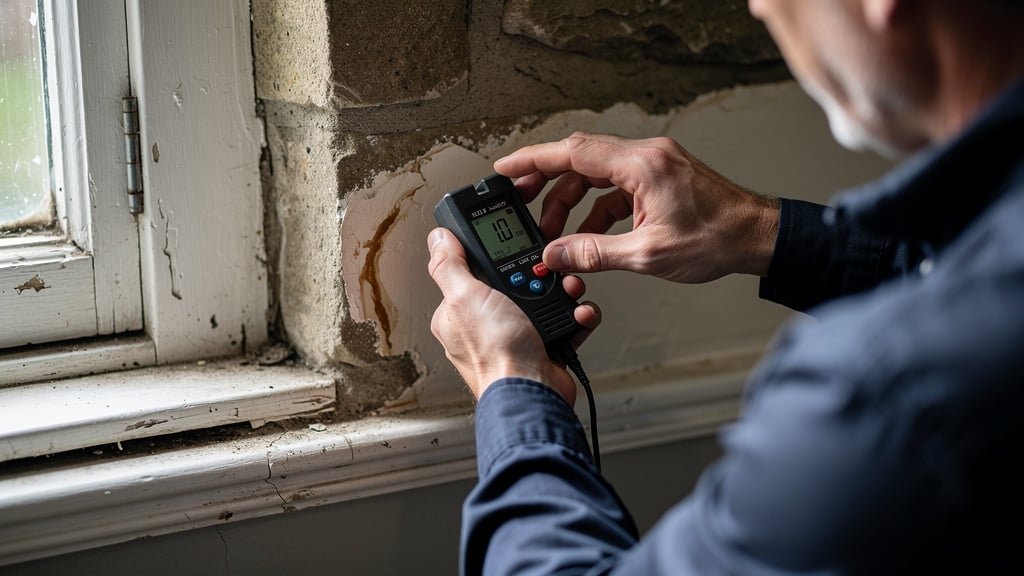
Bradford Shipley Surveyors carries out hundreds of surveys every year across West Yorkshire. And the question we hear most often, before we've even quoted, is this: "Do I need a Level 2 or a Level 3?"
It's a great question. Getting it right matters — because the answer affects how much you spend on the survey, how detailed the report is, and ultimately how well-protected you are when you buy your property. Let me give you a straight answer.
What is a RICS Level 2 Homebuyer Survey?
The RICS Level 2 Homebuyer Survey — previously known as the HomeBuyer Report — is the most commonly purchased survey type in the UK. It sits in the middle of the RICS survey framework, providing a more thorough inspection than a basic Condition Report but not as in-depth as a full Level 3 Building Survey.
The Level 2 survey uses a clear traffic-light condition rating system:
- Condition 1 (Green): No repair needed at this point
- Condition 2 (Amber): Defects that need repairing or monitoring to prevent deterioration
- Condition 3 (Red): Serious or urgent defects requiring immediate attention
As well as the condition ratings, a Level 2 survey includes descriptions of any significant defects, their potential implications, and recommended action. It also covers legal and grounds issues for your solicitor.
It is suited to conventional properties in reasonable condition — generally properties built after 1900 that haven't been significantly altered, extended or converted. Think of a standard red-brick semi from the 1930s in a reasonable state of repair, or a 1970s detached in Guiseley.
What is a RICS Level 3 Building Survey?
The RICS Level 3 Building Survey is the most comprehensive survey available. Previously known as the Full Structural Survey or Building Survey, it goes significantly deeper than a Level 2. There are no traffic lights here — instead, every element of the property is described in detail, with a thorough narrative explaining the significance of any defects, their probable cause, and specific repair recommendations.
A Level 3 survey covers:
- A thorough investigation of all accessible parts of the building — including roof void, subfloor void (where accessible), and all services
- A full structural assessment covering foundations, walls, floors, ceilings, and roof structure
- Detailed descriptions of all defects, with analysis of their likely cause
- Specific repair recommendations and prioritisation
- Estimated cost ranges for major works
- A reinstatement cost assessment for insurance purposes
The key difference in plain English
A Level 2 survey tells you what's wrong and roughly how bad it is. A Level 3 survey tells you what's wrong, why it's wrong, how serious it is, what you need to do about it, and roughly what it will cost to fix.
Which Survey Is Right for West Yorkshire Properties?
This is where local knowledge really matters. I've been surveying properties in Bradford, Shipley, and across West Yorkshire for over 15 years. And the honest answer is: most properties in this area benefit from a Level 3 survey.
Here's why. West Yorkshire has an unusually high proportion of older housing stock — particularly Victorian and Edwardian terraces, stone-built semis, and properties dating from the mill-building era of the 1850s through to around 1920. These properties:
- Are built from local sandstone, which weathers and absorbs moisture differently from brick
- Frequently have original timber floors, joists, and roof structures that are now 100+ years old
- Often have original or poorly maintained chimney stacks that are major sources of damp
- May have had multiple alterations, additions, and repairs over the decades — some of them poor quality
- Sometimes sit in areas with clay-heavy soils that cause cyclical foundation movement
"We had a Level 2 survey booked on a 1920s semi in Shipley, but on Ian's advice we upgraded to a Level 3. The report identified dry rot behind a partition wall and cracking to the rear addition that would have cost over £12,000 to address. We renegotiated the price and saved significantly. The upgrade was one of the best decisions we made." – Bradford Shipley Surveyors client
A Simple Guide: Level 2 or Level 3?
Here's a quick-reference guide I've put together based on the most common scenarios we encounter:
| Property Type / Situation | Recommendation |
|---|---|
| New build or post-1980 home in good condition | Level 1 or 2 |
| Standard post-1930 semi or terrace in reasonable condition | Level 2 |
| Victorian or Edwardian terrace (stone or brick) | Level 3 ✓ |
| Property built pre-1930 | Level 3 ✓ |
| Stone-built property in Bradford, Shipley or Keighley | Level 3 ✓ |
| Property that has been significantly extended or altered | Level 3 ✓ |
| Property near Saltaire or a heritage site | Level 3 ✓ |
| Large detached property over £400,000 | Level 3 ✓ |
Does the Extra Cost of a Level 3 Survey Pay Off?
Our Level 3 Building Survey starts from £500, compared to £350 for a Level 2. That's a difference of around £150 on a typical property. And in my experience, it almost always pays for itself many times over.
The Level 3 survey gives you a much richer report — one that helps you understand exactly what you're buying, what you'll need to spend on it, and what repairs should be done in what order. For a Victorian terrace that might need £20,000 of work over the next five years, knowing this before you complete is invaluable.
And critically, a detailed Level 3 report gives you the ammunition to negotiate. Many of our clients reduce the purchase price by more than the cost of the survey using the findings.
Frequently Asked Questions
Not sure which survey you need?
Tell us about your property and we'll give you our honest, expert recommendation — no obligation. Bradford Shipley Surveyors are your independent RICS registered surveyors in West Yorkshire.
Get Our Expert Advice